
Where Food Innovation Meets Sustainability

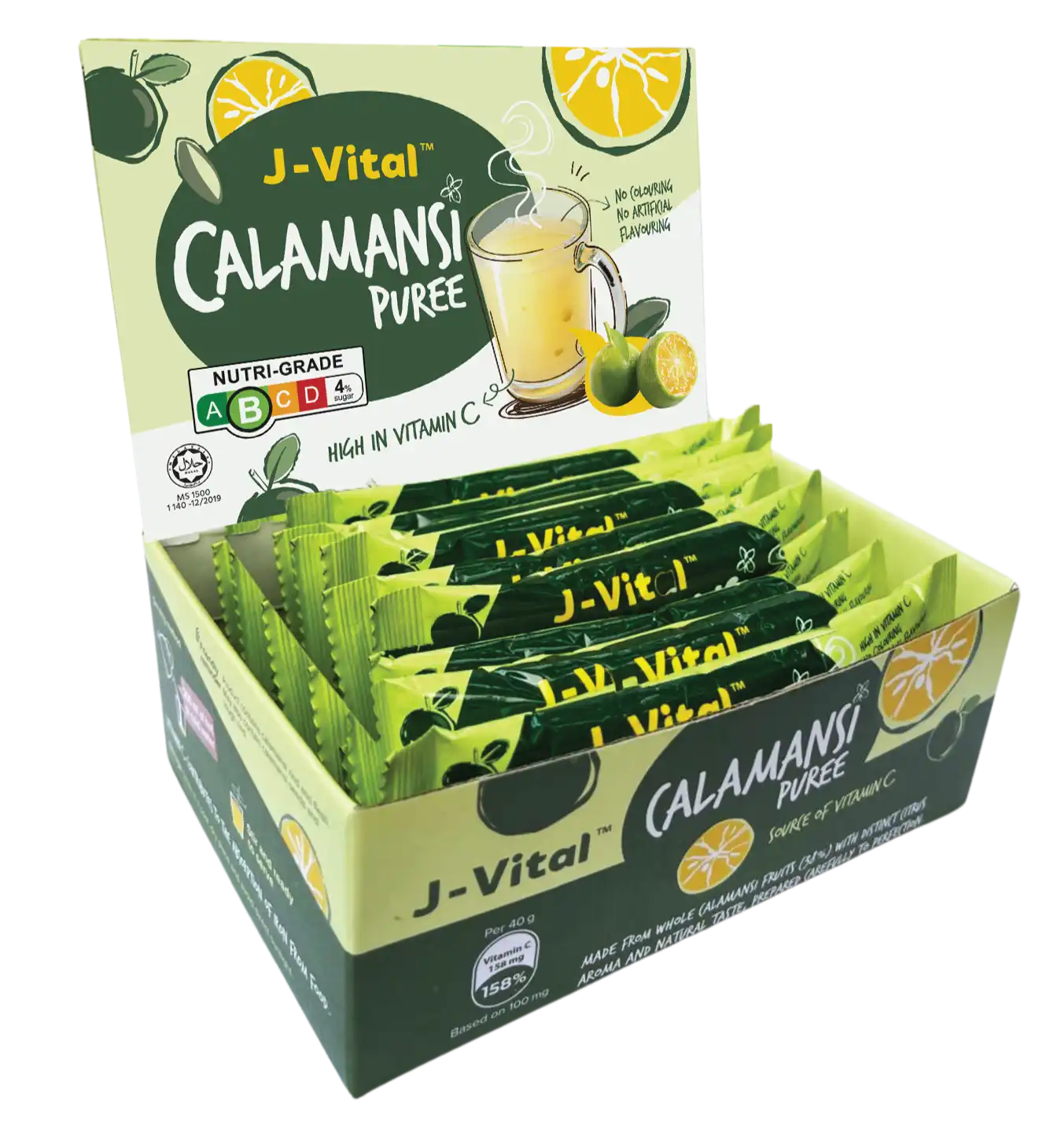
Crafted with EcoCal™ whole-fruit technology, J-VITAL Calamansi Purée delivers vibrant flavour, rich nutrients, and minimal waste

Our Story

Snowberry Malaysia was founded in 2001 by Winnie Yim as a food and beverage distribution company. In 2005, we expanded into manufacturing, marking the start of our transformation into a diversified food producer.

Over the years, we have grown into a leader in fruit-based innovations, offering frozen fruit purées, concentrated juices, ice cream, beverage powders, mochi, and mooncakes. Our expertise is built on combining creativity, technology, and a deep understanding of fruit-based foods and desserts.

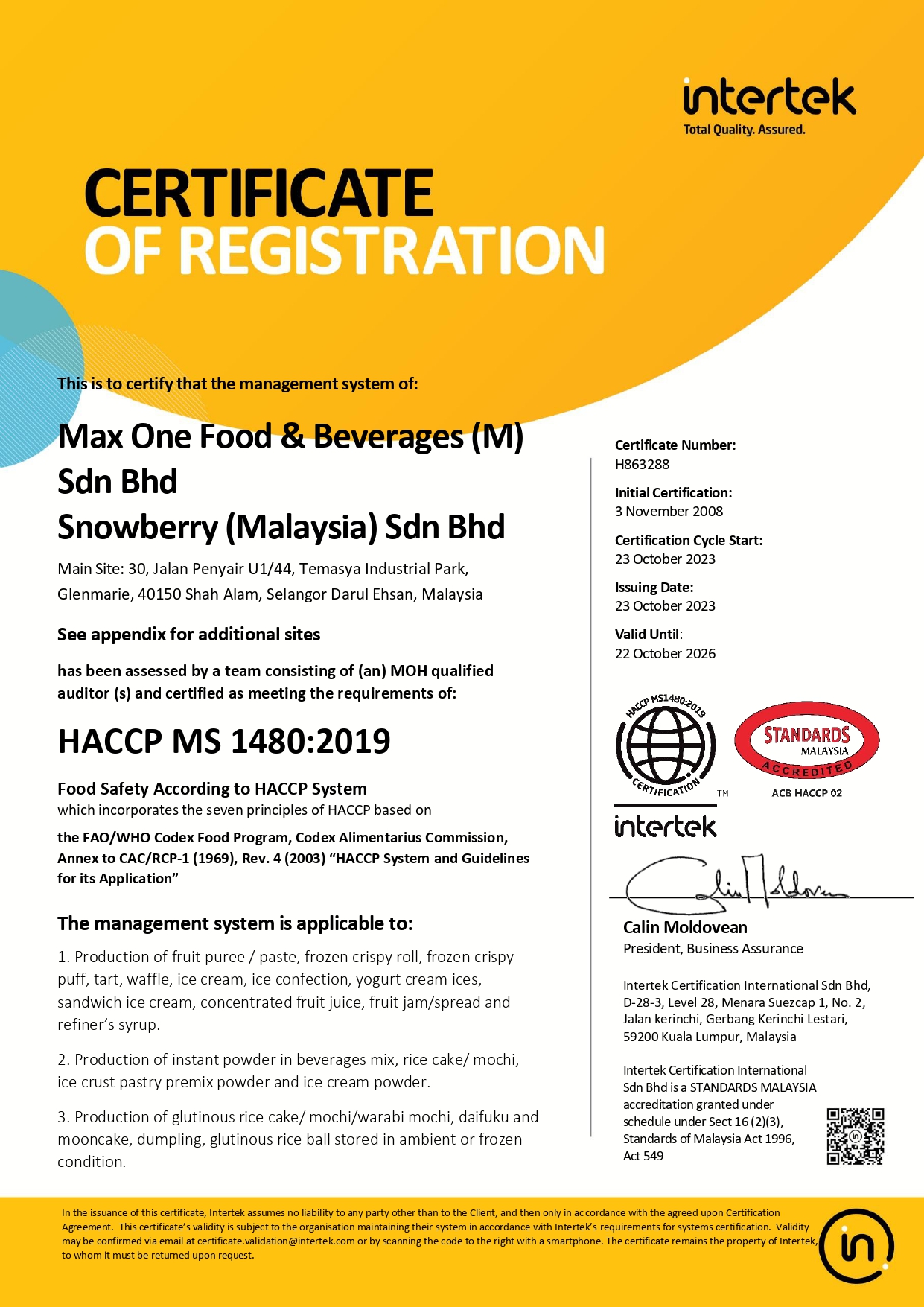
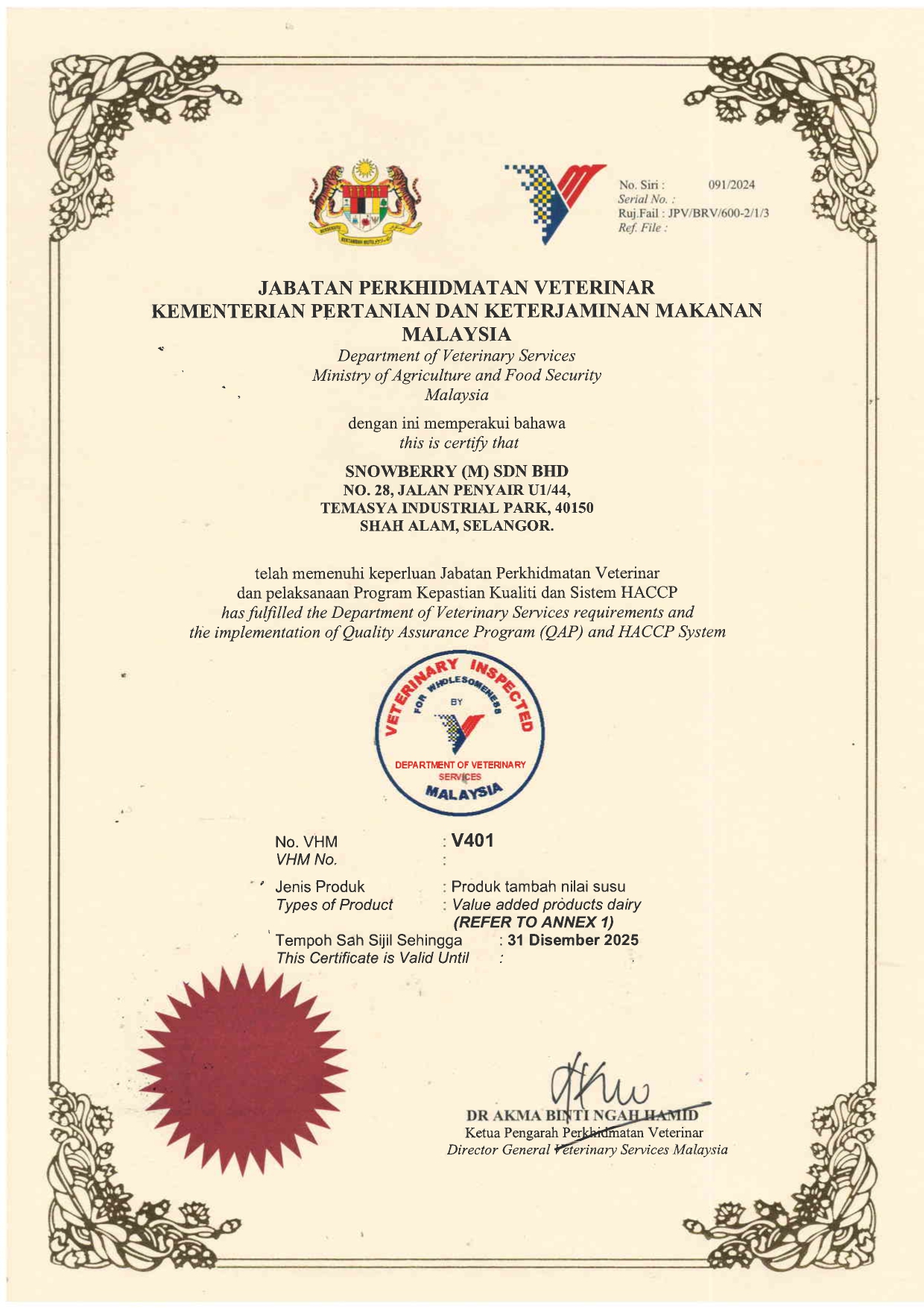
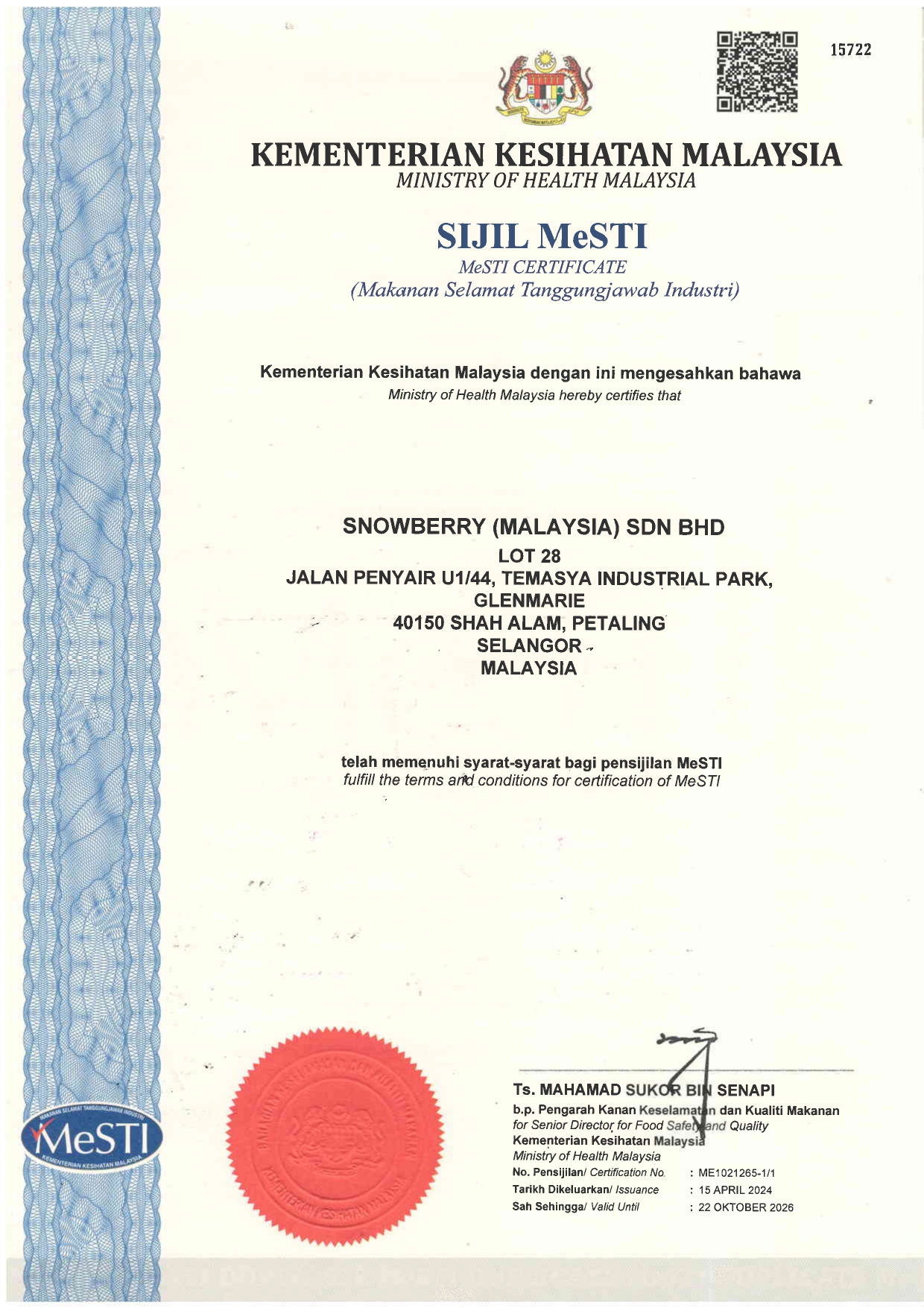
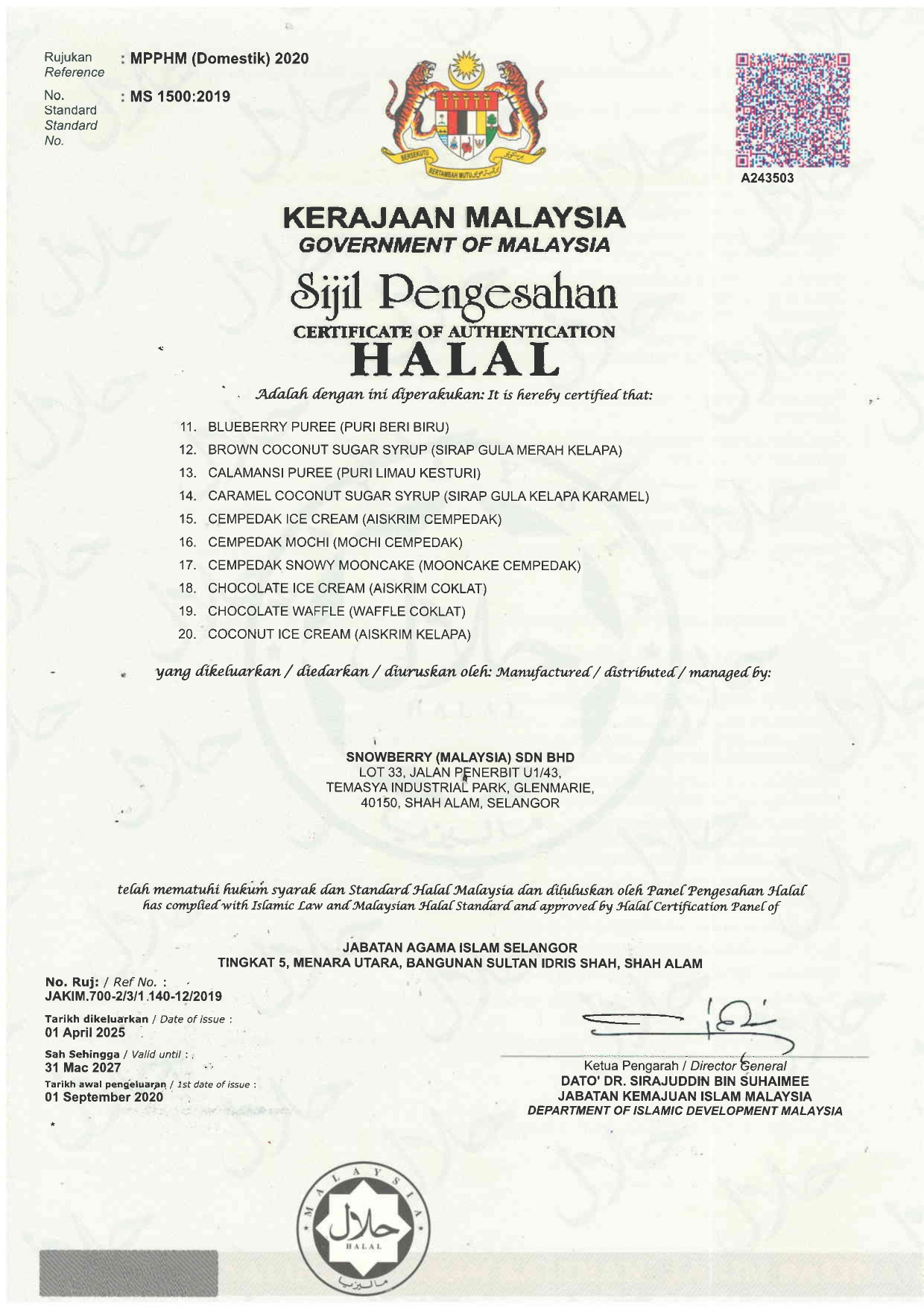
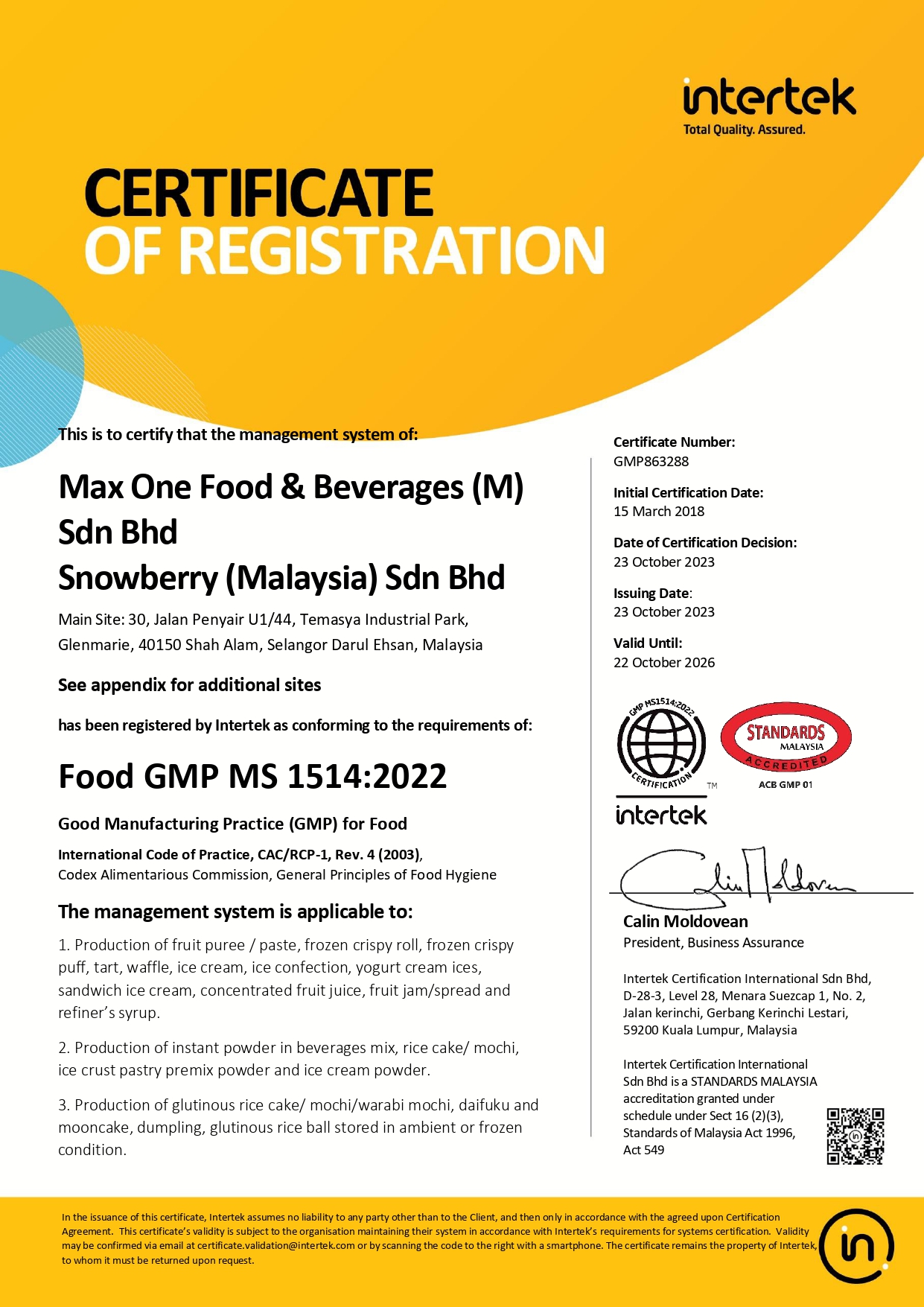
Our facility is Halal-certified by JAKIM and complies with GMP, HACCP, VHM and MeSTI standards, ensuring products that are safe, consistent, and trusted worldwide.

In 2017, we began exploring calamansi purée using traditional fermentation methods. This research led to EcoCal™, a breakthrough technology that preserves the fruit’s natural colour and nutrients while reducing waste to just 4% — a major step toward sustainable, whole-fruit utilisation.

Through continuous research, innovation, and market insights, Snowberry has refined its products to deliver high-quality, nutritious, and eco-conscious fruit solutions.

Today, Snowberry continues its mission: to create smarter, greener, and healthier fruit innovations for people of all ages, wherever they are.

Mission & Vision

✔ Our Mission

To provide safe, high-quality, and innovative food solutions that enhance the well-being of our customers. We follow strict protocols and uphold strong values in every product we deliver.

✔ Our Vision

To lead in innovation, sustainability, and quality, setting new standards in fruit-based wellness solutions.

✔ Our Principle

“Food safety, innovation, and quality drive success.”

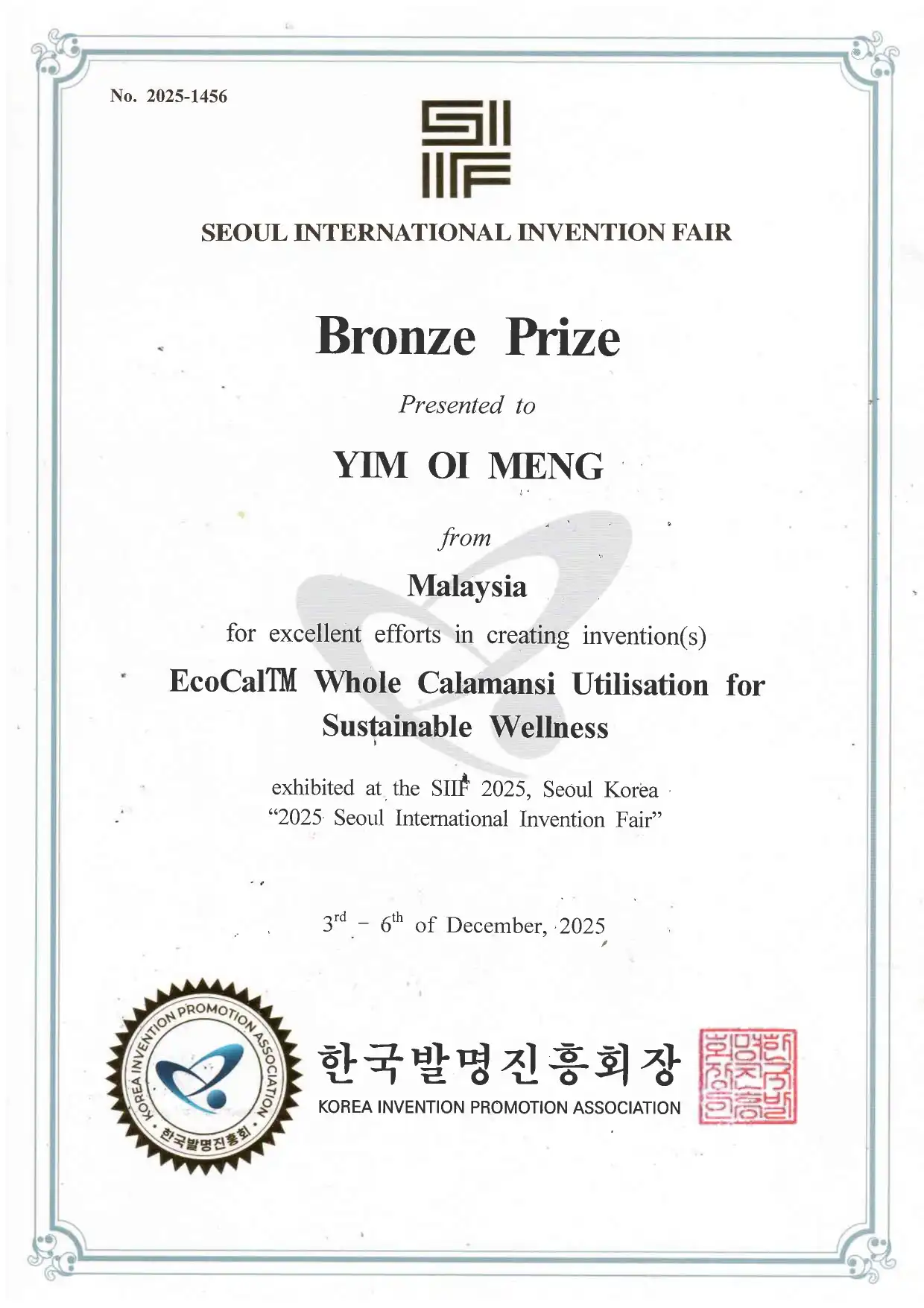
Bronze Prize - 2025 Seoul International Invention Fair

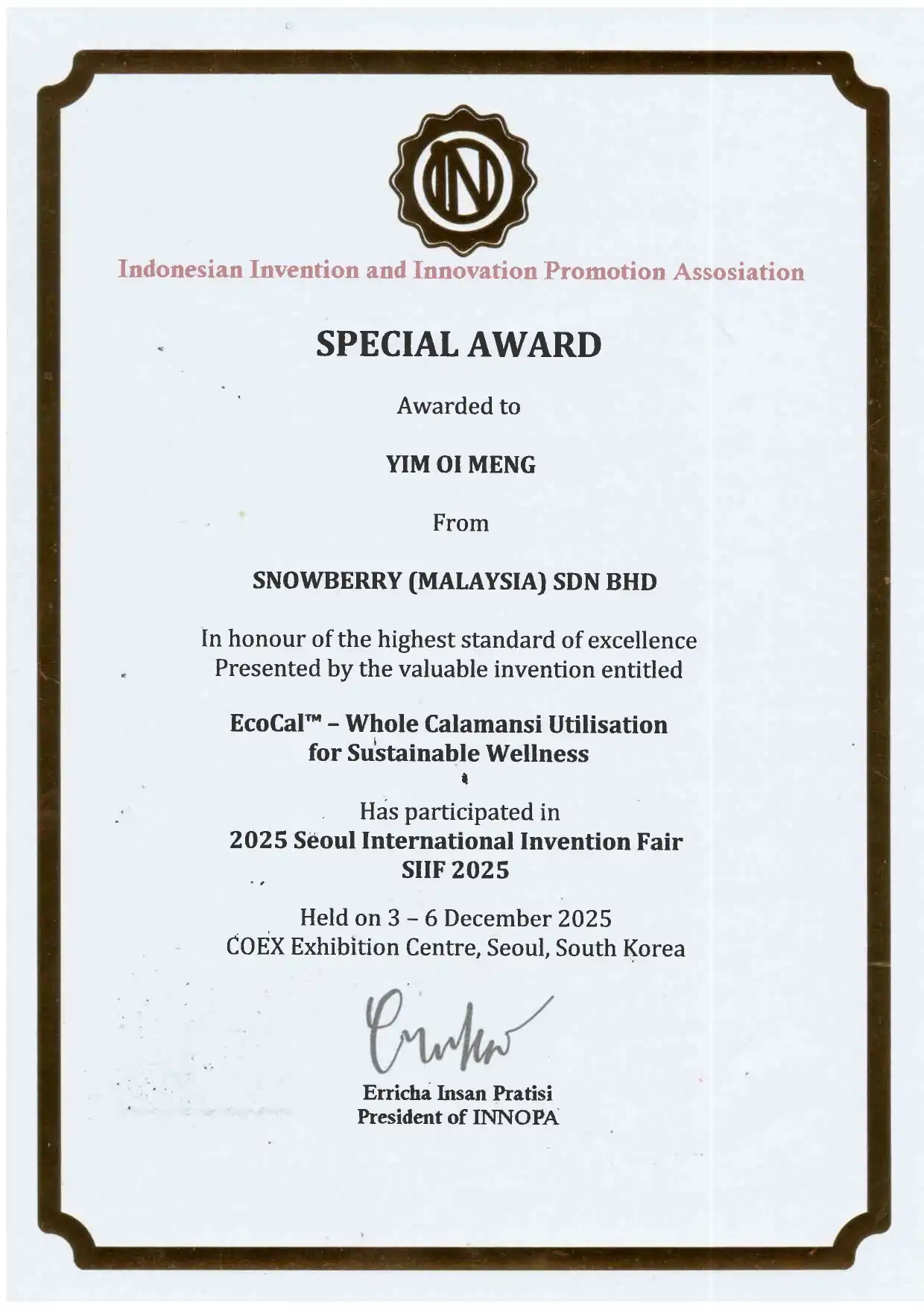
Special Award from INNOPA Indonesia 2025
Award-Winning Innovations

Honored with the Bronze Prize at the 2025 Seoul International Invention Fair and a Special Award from INNOPA Indonesia 2025, celebrating our commitment to innovation and excellence.

Certifications

Our facility and products are produced under strict and recognised international food safety systems, including:

What Is Calamansi?

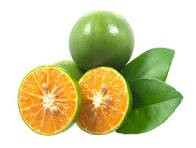
Calamansi (Citrus microcarpa) is a prized small citrus fruit native to Southeast Asia, especially Malaysia, the Philippines, Indonesia, and Vietnam. Often described as the “hidden citrus jewel of ASEAN,” it carries a distinctive flavour profile that sets it apart from other citrus fruits.

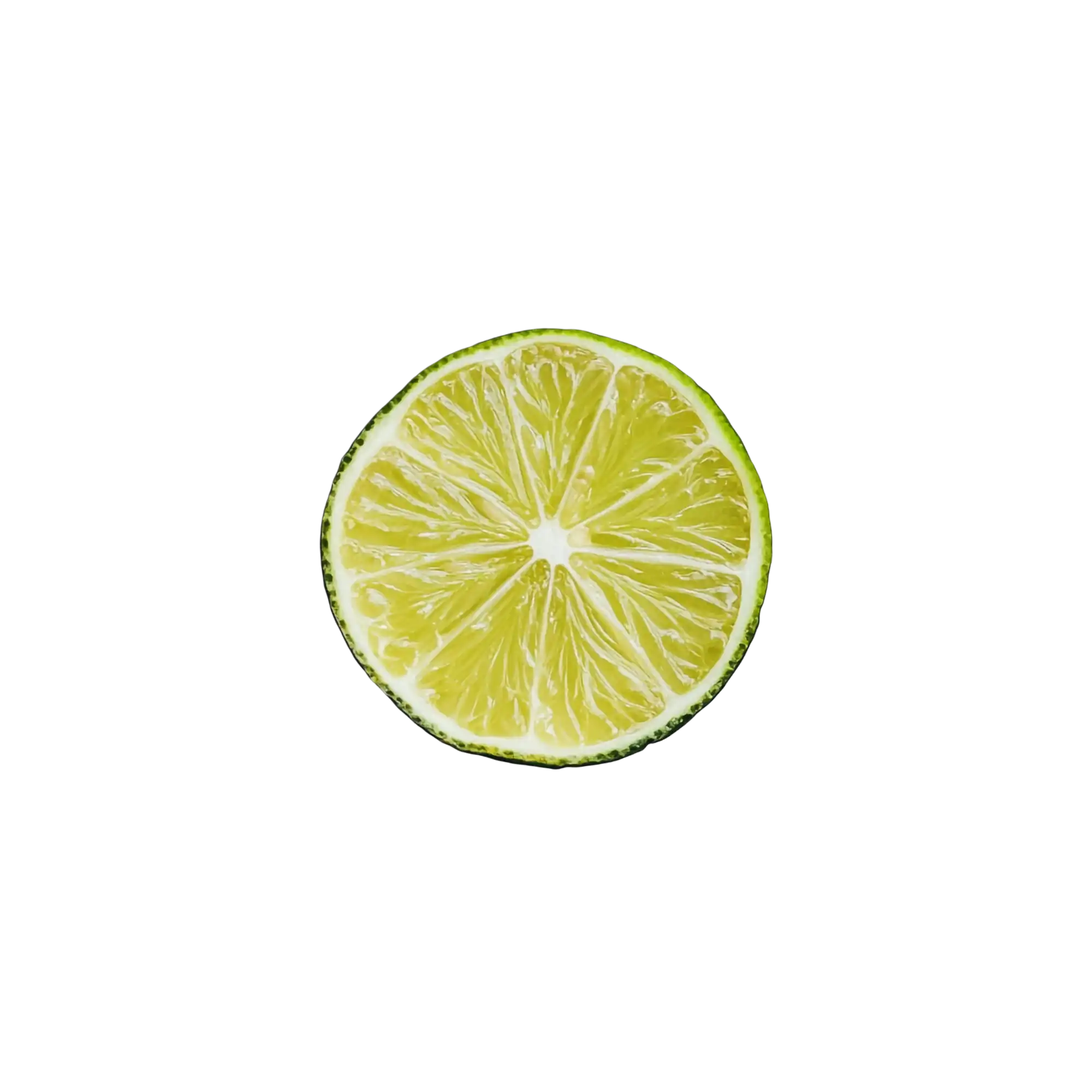
Although it resembles a lime, calamansi is a natural hybrid with a sweet mandarin-like aroma, the brightness of lemon, and the tangy intensity of lime — creating a unique balance of sweet, sour, and fragrant notes.

Rich in Vitamin C, flavonoids, essential oils, and natural antioxidants, calamansi has been valued for generations as a wellness ingredient, culinary enhancer, and natural remedy across Southeast Asia.

Fragrant like mandarin
Tangy like lime
Rich and zesty like lemon

This rare combination makes it one of the most versatile citrus fruits in the world.

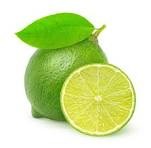
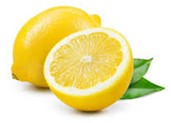
Calamansi vs Lime vs Lemon

It’s Calamansi — ASEAN’s Hidden Citrus Gem.**

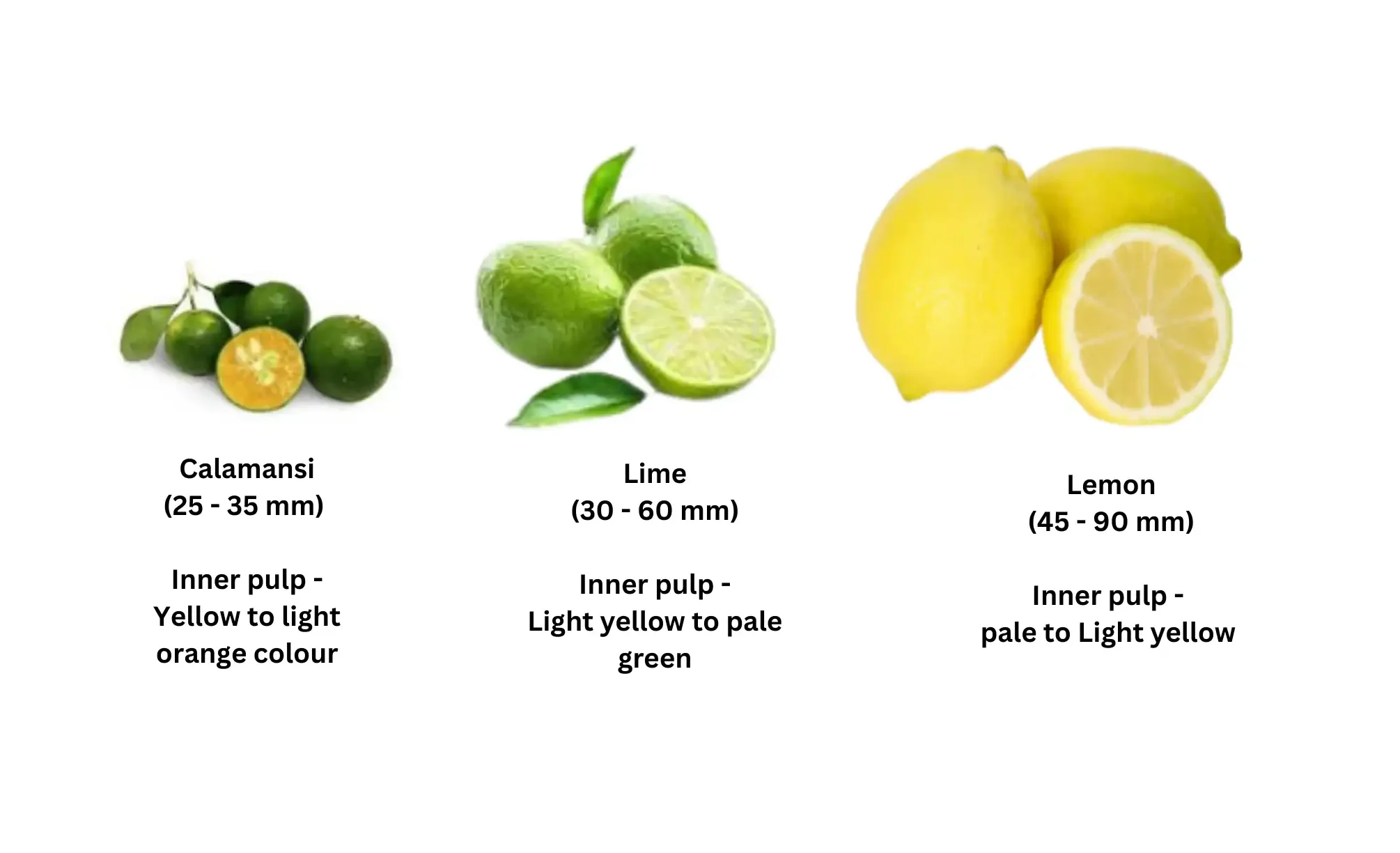
Many people confuse calamansi with lemon or lime due to its small size and green exterior. However, calamansi is completely distinct in flavour, aroma, nutritional density, and culinary use.

Scientifically, calamansi belongs to the same broader citrus family but carries its own genetic lineage, giving it a uniquely sweet-sour fragrance, deep orange interior, and high phytonutrient concentration.

Citrus Profile Comparison

A detailed comparison of colour, flavour, aroma, origins, and size, highlighting calamansi as the smallest yet most versatile and valuable citrus for innovative food and beverage applications.

Feature Calamansi Lime Lemon
Origin Southeast Asia (Malaysia, Philippines, Indonesia) Middle East & Americas Mediterranean Region
Color Green to orange as it ripens Green Yellow
Taste Sweet-sour, highly aromatic Sharp, intense sour Mild sour, lightly sweet
Aroma Floral, fruity, mandarin-like Strong, acidic Fresh, clean citrus
Vitamin C High High High
Common Uses Drinks, sauces, desserts, wellness Cooking, marinades, cleaning Baking, beverages, dressings
Fruit Size 25–35 mm 30–60 mm 45–90 mm

Calamansi vs Lime vs Lemon

Calamansi is not just about Vitamin C — it offers a naturally balanced combination of ascorbic acid, aromatic essential oils, and powerful flavonoids, giving it a wellness profile that is distinct from lemon and lime.

01

Natural Source of Vitamin C

Calamansi contains a good amount of natural Vitamin C, which helps:

Vitamin C is one of the most studied antioxidants in the world and is recognised as safe and essential for daily health.

02

Rich in Various Type of Esssential Oil

Here’s the approximate composition (%) of the main essential oils in calamansi (Citrus microcarpa) peel oil, based on published analyses (values can vary depending on fruit maturity and extraction method)

Compound Approximate % (of total essential oil) Key Function/Note
D-Limonene 85–95% Dominant compound; provides citrus aroma, antioxidant, and anti-inflammatory properties
β-Pinene 1–3% Fresh pine-like scent; mild antimicrobial
α-Pinene 0.5–1.5% Woody scent; antimicrobial
γ-Terpinene 0.5–2% Antioxidant and antimicrobial
Myrcene 0.2–0.8% Herbal aroma; anti-inflammatory
Linalool 0.2–0.6% Floral scent; calming, antibacterial
Citral (Geranial + Neral) 0.1–0.5% Lemon scent; antibacterial
Terpinen-4-ol 0.1–0.3% Antibacterial and antifungal
Sabinene 0.05–0.2% Spicy, citrus aroma

Calamansi Rinds: A natural source of Health-Boosting Essential Oils

Scroll to Top

Calamansi Processing Comparison Table

Feature J-Vital / EcoCal™ Purée (Whole Fruit) Fermented Calamansi with Salt Ordinary Calamansi Purée Fresh Squeezed Calamansi Cold-Pressed Calamansi
1) Category: Ingredients Used
Ingredients Whole fruit (peel + pulp + juice, seeds removed) Whole fruit (peel + pulp + juice, seeds removed) Juice only Fresh juice only Juice + part of oils (cold-extracted)
Peel Nutrients Fully included Partially included (lost essential oil) Not included Not included Partially included (oils only)
2) Texture
Feature EcoCal™ Purée Fermented Calamansi Ordinary Purée Fresh Squeezed Cold-Pressed
Texture Thick, rich, smooth-fibrous Thick, concentrate Thin, watery Watery Smooth liquid
Mouthfeel Full-bodied Full-bodied Light Light Medium
3) Aroma
Feature EcoCal™ Purée Fermented Calamansi with Salt Ordinary Purée Fresh Squeezed Cold-Pressed
Aroma Strength Strong aroma from peel oils Strong aroma from fruit (sour salty taste) Mild citrus Fresh aroma but short-lasting Strong fresh aroma
4) Colour
Colour Natural light green-yellow from the rind; no colouring added From brown turned to dark brown Light green to yellow; colour varies depending on heating and formulation Natural light green and yellow Natural light green and yellow
5) Nutrition
Feature EcoCal™ Purée Fermented Calamansi with Salt Ordinary Purée Fresh Squeezed Cold-Pressed
Vitamin C Better retention Significantly reduced Vitamin C due to long fermentation and salt exposure. Moderate (heat reduces Vit C) High Vitamin C (fresh) High -to-moderate (minimal heat)
Fibre High (uses whole fruit) High (uses whole fruit), but turn brown or dark brown Low Very Low Very Low
Flavonoids (peel nutrients) High (peel included) High (peel included) Low Very Low Moderate (from peel oils only)
Sodium Sodium from fruit High content of sodium (used sodium to ferment). Sodium from fruit Sodium from fruit Sodium from fruit
6) Shelf Life
Shelf Life Stable at room temperature Stable at room temperature Usually short / requires freezing Very short (must consume immediately) Short (requires refrigeration)
7) Process type
Process type Lower heat, vacuum-controlled (20 minutes) Calamansi fruit is first dried under the sun or in an oven, then layered with salt and left to ferment for up to 120 days. After fermentation, the softened fruit is mixed with water, sugar, and acidifiers to produce a purée. (This describes the traditional household/heritage method.) Long cooking (usually non-vacuum, 40 to 50 minutes) Manual or semi-auto machine / industrial machine squeezing (immediate, fast, no heat) Mechanical cold extraction, fast, no heat
8) Sustainability
Sustainability - waste generated 96% utilisation (only 4% waste from seeds) Near 100% utilisation (whole uncut fruit, including seeds, is fermented). ~70% fruit waste ~65% waste ~60% waste